CASE 01
Ongoing strategic program · C-suite · NHI / Agentic AI
Research that defined NHI strategy for IBM — white space the business did not yet see. Now a top Security priority.
Context & stakes
Legacy PAM vs. agile challengers. IBM needed differentiation clarity and early signal on emerging needs. What began as PAM opportunity discovery surfaced non-human identity proliferation — service accounts, bots, AI agents — as a category gap, not a feature request. That signal did not stop at Registry. It opened a strategy conversation about the full NHI problem space.
NHI has become a top Security priority. Research continues to define strategy and establish shared understanding for leadership — including C-suite stakeholders. JIT access, identity ephemerality, guardian agents, continuous governance, discovery and exposure management are on the table because research made them visible when the business did not yet know them by name.
Role & continuous program
Not a closed project. A research program that keeps informing the next strategic decision.
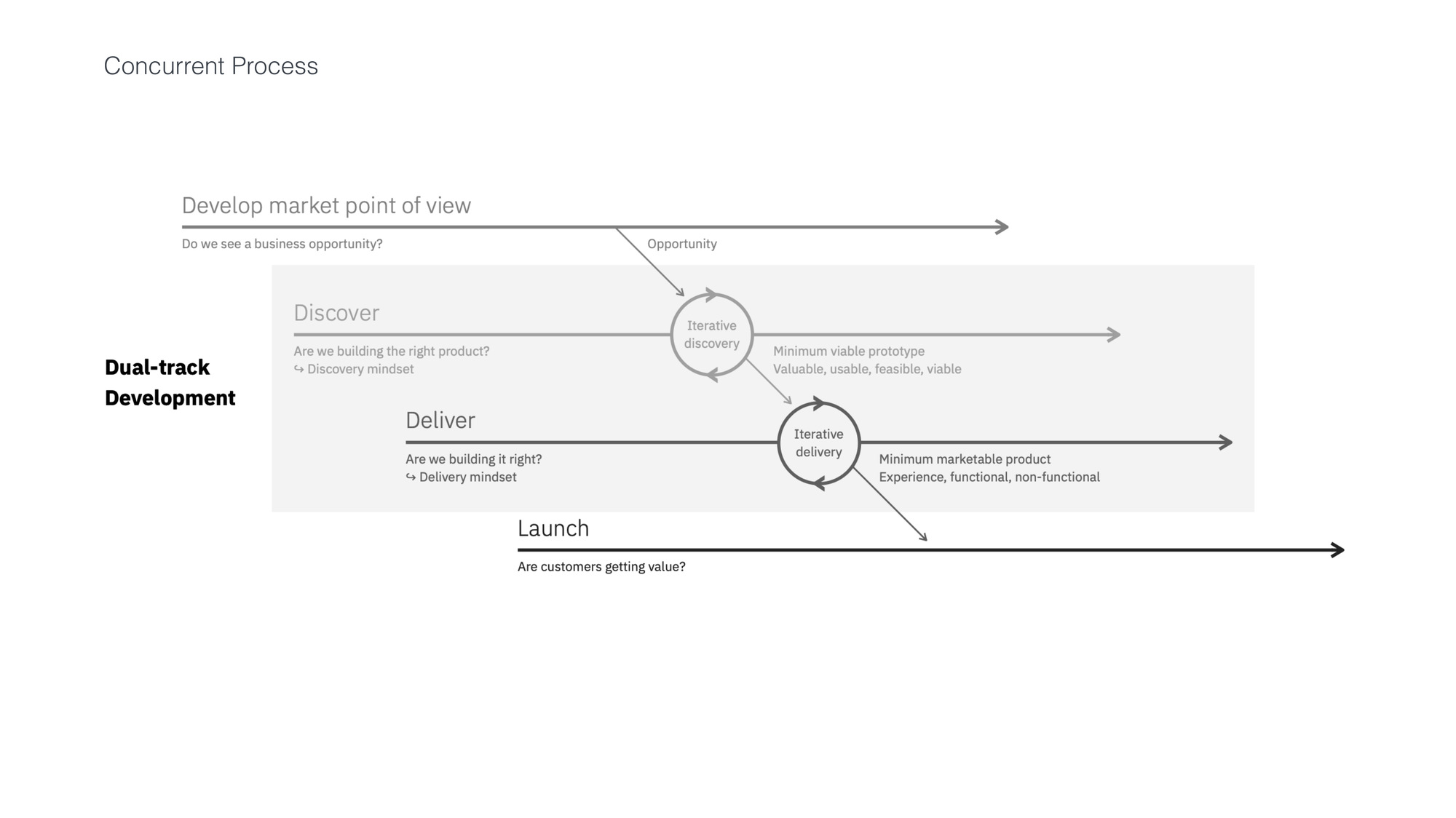
Owned research strategy for Verify PAM and the expanding NHI / Agent Identity thread. Designed the multi-study sequence, ran or co-ran each phase, embedded with product and design, and kept decision-makers — including senior and C-suite stakeholders — inside the learning loop. Research operates as continuous input to strategy and roadmap, not gated reports after the fact.
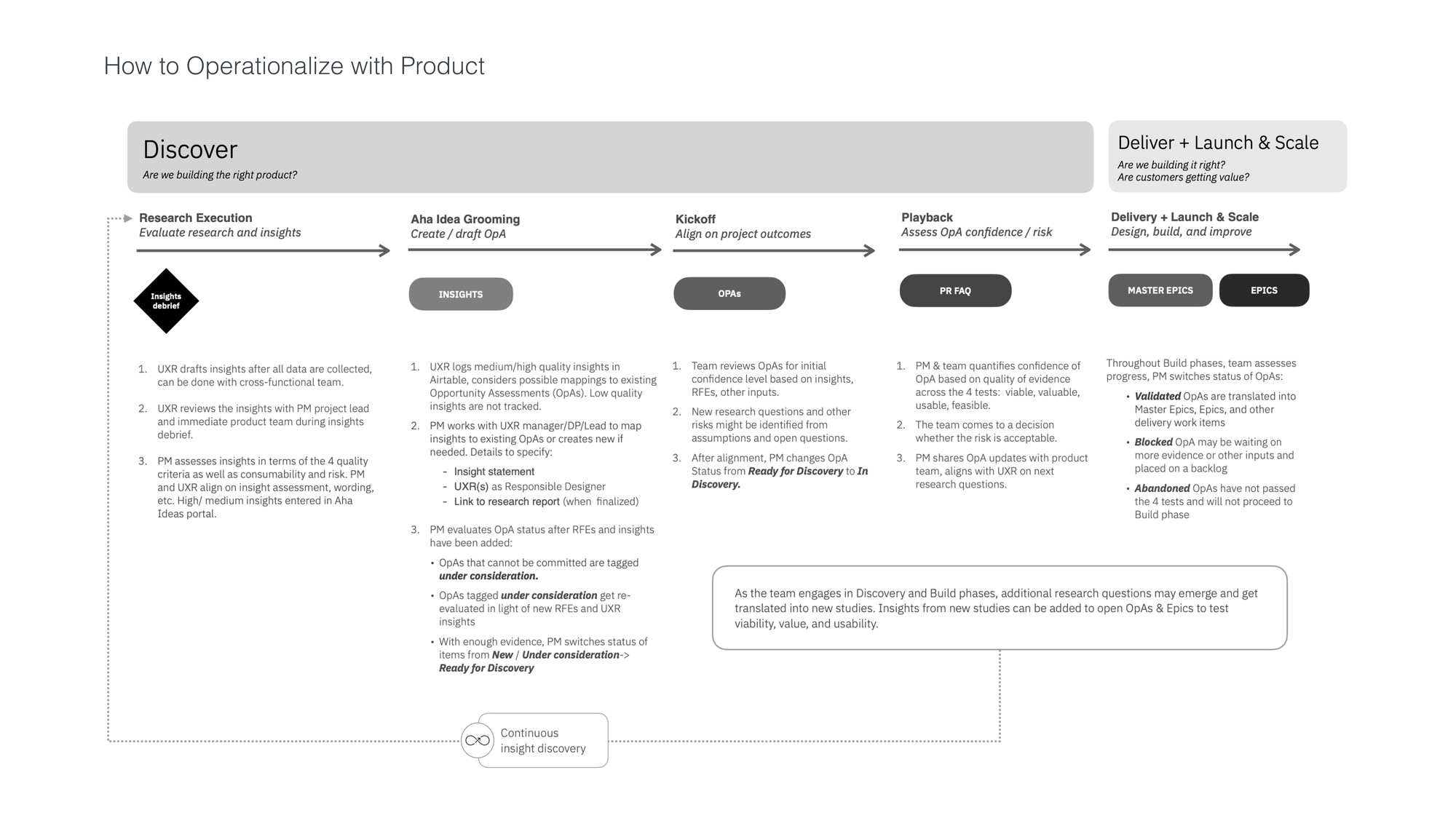
Set the research agenda against strategy. Sequenced studies. Chose methods. Translated findings into recommendations leadership used — including framing white space the business had not previously recognized. When the work moved from PAM opportunity into NHI as a top priority, research stayed in the room: defining what matters, establishing shared language, and keeping strategy grounded in customer and practitioner reality.
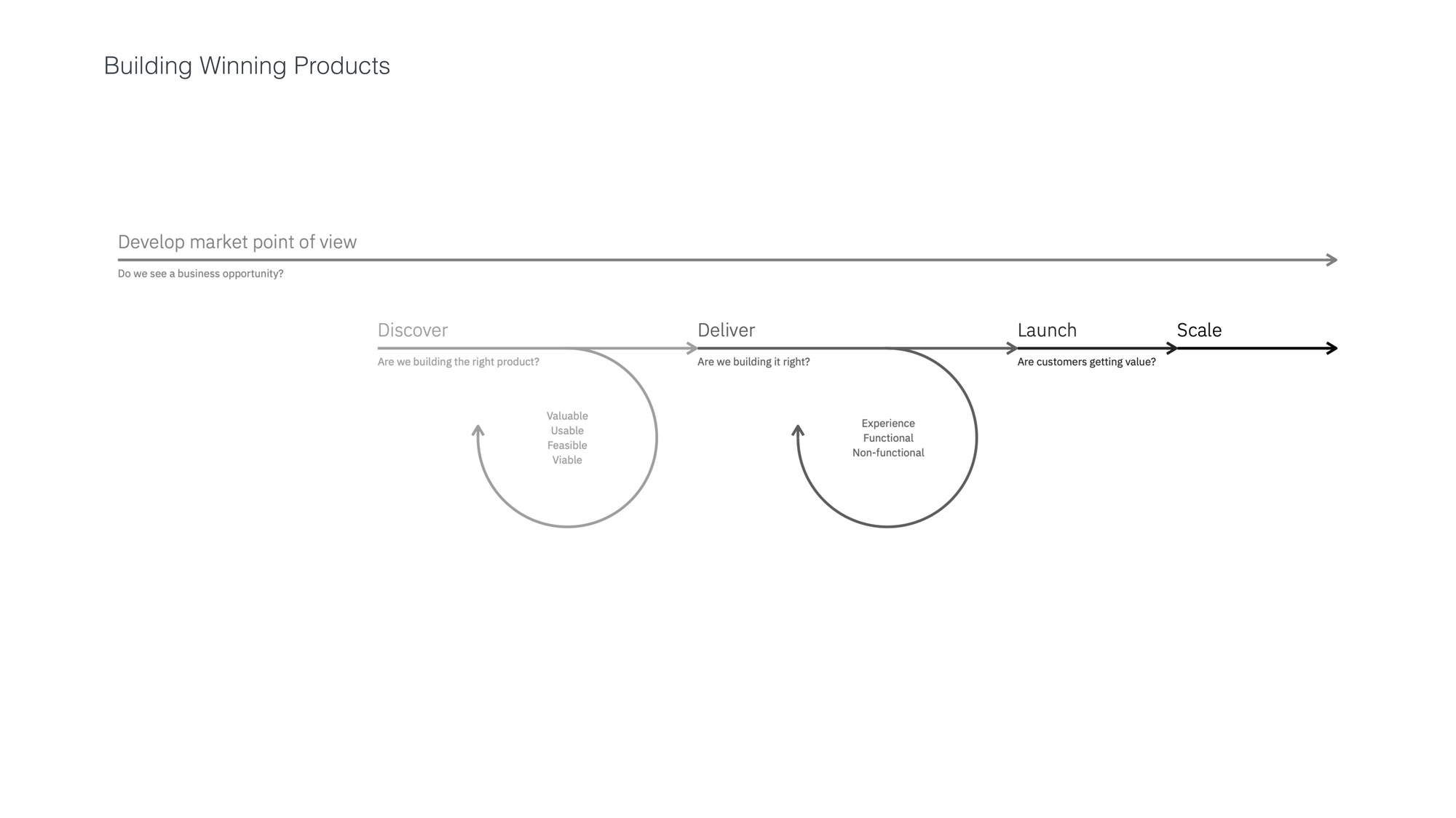
Research arc — five connected phases
- PAM Opportunity Discovery — Market, maturity, competitive gaps. Emerging NHI / Zero Trust needs surfaced. Strategic recommendations.
- Quantitative MVP Ranking — 30+ enterprise customers. Forced prioritization. Exposed more table stakes than product assumed. Improved IBM quant tooling.
- Jobs & Use Case Discovery — JTBD across identity discovery, lifecycle, JIT, compliance. Table stakes vs. unmet needs.
- Agent Registry Concept Research — Rapid iterative testing + concurrent JTBD. Multi-stakeholder requirements. Path toward Gartner and Private Preview.
- Ongoing NHI strategy (current) — Research continues to define the broader NHI agenda for leadership: JIT, ephemerality, guardian agents, continuous governance, discovery & exposure — white space the business did not previously own.
White space research made visible
Just-in-time access patterns for non-human and agent identities — when standing privileges are the risk.
Short-lived, purpose-bound identities for agents and workloads — not long-lived accounts treated like users.
Agents that govern other agents — continuous oversight as autonomy scales.
Governance that runs with the identity lifecycle, not periodic review bolted on after the fact.
Finding non-human identities and their exposure surface before they become incidents.
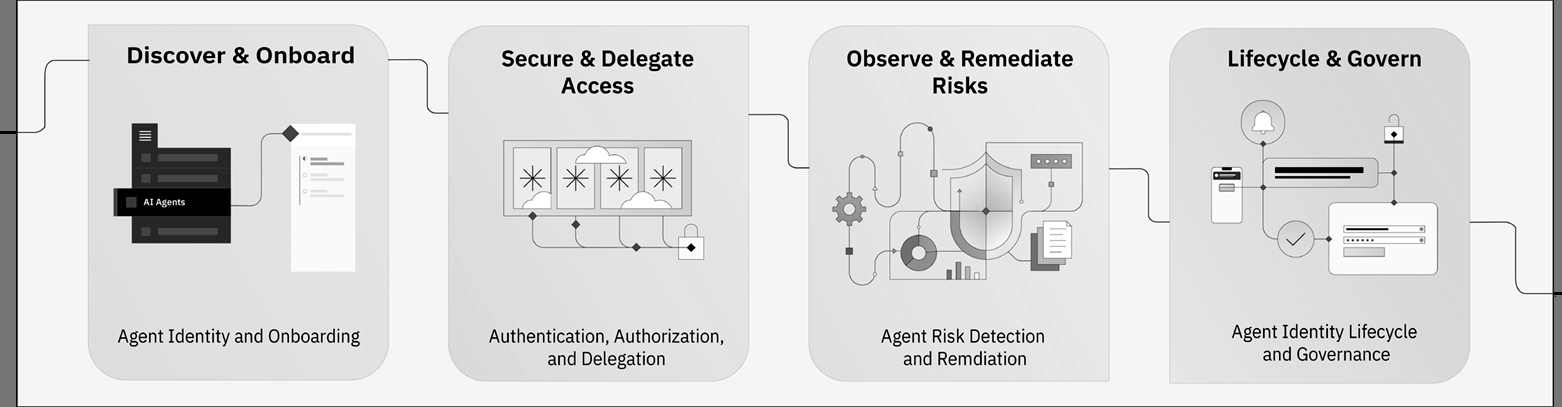
Registry was necessary but not sufficient. Strategy had to span discovery, lifecycle, access, governance, and agent-to-agent control.
Customers were already hitting volume and control problems as non-human and agent identities multiplied — governance, discovery, and exposure issues the business had not yet named as strategic risks.
Decision thread & methods
Opportunity discovery → NHI framed as strategic priority (category gap, not a feature).
Ranking + JTBD → MVP scope and needs statements locked.
Registry concept research → Multi-stakeholder requirements + path to Gartner / Private Preview.
Ongoing NHI research → Broader strategy agenda for leadership.
C-suite engagement → NHI as top Security priority.
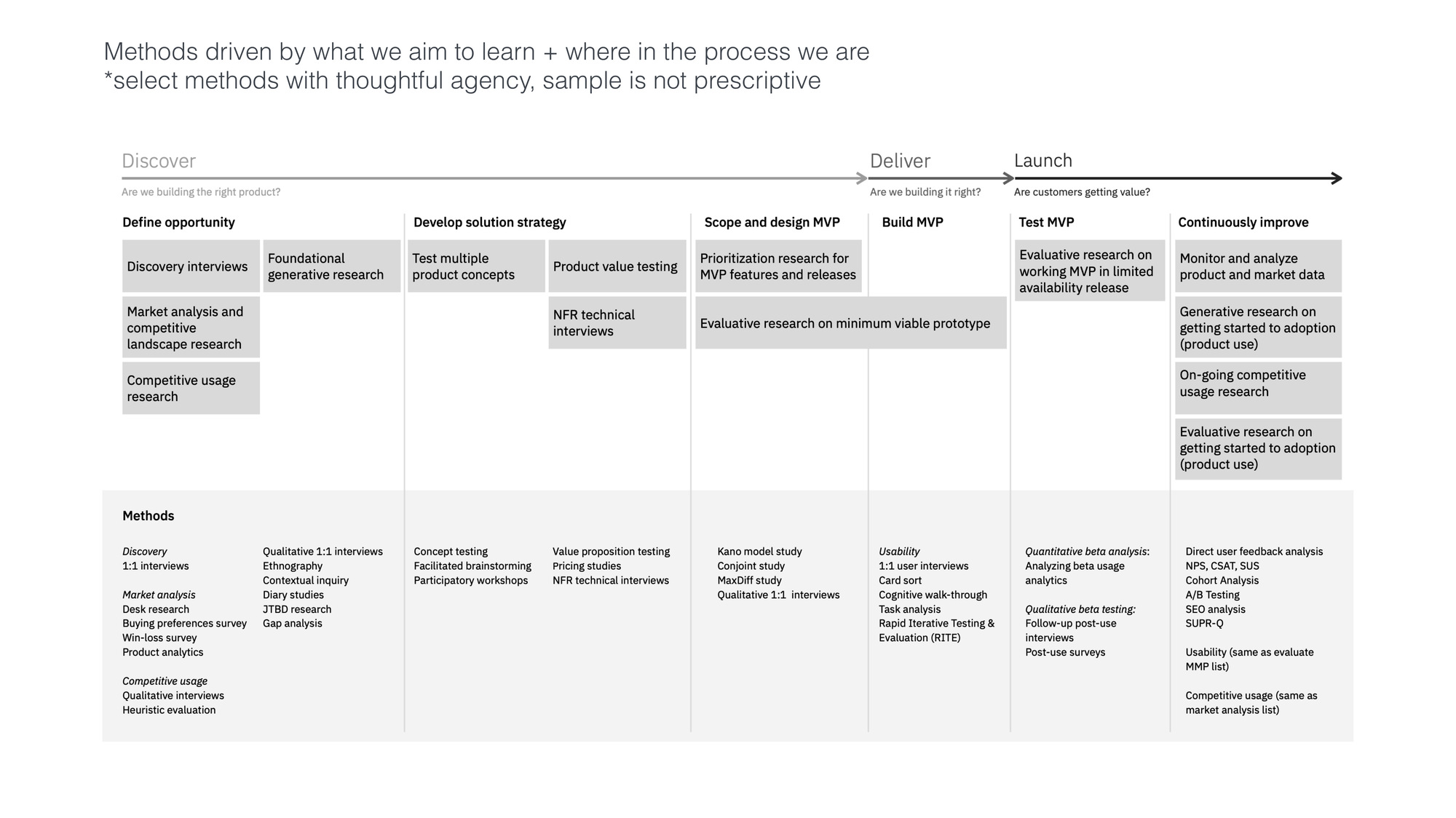
Methods: Semi-structured interviews · quantitative ranking (30+ enterprise; 60+ customers across the program) · JTBD + use-case mapping · rapid iterative concept testing · continuous generative research + competitor/desk research so the customer-defined problem space is refined against market movement.
Insights that changed strategy
- NHI is a category gap, not a feature — Proliferation already felt; existing PAM/IAM treated non-human identities as afterthoughts.
- Table stakes vs. differentiation locked — Rotation, session recording, audit = non-negotiable. JIT, lifecycle automation, AI-assisted discovery = differentiation.
- Four distinct jobs around agent identity — AI developers, IAM admins, security, auditors need different outputs from one control plane.
- Registry is necessary but not sufficient — Strategy must span discovery, ephemerality, JIT, continuous governance, and guardian agents.
- White space the business did not own — Named and framed from customers, refined against competitor and desk research so leadership could skate to the puck.
- Scaling issues were invisible to the business — As agent and non-human identity volume grew, customers were already hitting governance, discovery, and control problems at scale that product strategy had not yet accounted for. Research made those scaling failure modes explicit — and urgent — before they were on the roadmap.
- Defining an emerging space — Establishing understanding for leadership was as important as any single finding.
Research insights uncovered a strategic blind spot that should have been — and now is — a core focus. Top Security priority. C-suite stakeholders. Still unfolding as strategy converts to capabilities. Along the way: de-risked MVP scope; Agent Registry path to Gartner readiness and Agent Identity Private Preview under Verify; improved IBM quant ranking tooling for the broader UXR org.